Why loden? A 700-year-old cloth, reconsidered

Loden has been made in the Tyrol since at least the 14th century. It is simple to describe and slow to make: wool is woven loosely, then fulled, beaten in hot soapy water until it shrinks by up to a third, then brushed so the fibres all lie one way.
That short sentence hides seven hundred years of refinement. Shepherds in the Alpine valleys wore it on the high pastures; Habsburg foresters and huntsmen adopted it; by the twentieth century it had travelled to Vienna, Munich and Milan as the coat a certain kind of person wore to the opera over evening dress. We think it deserves a wider audience, and a closer look at why it works.
A cloth made by shrinking
Most woven cloth is finished to stay the size it came off the loom. Loden is the opposite. The weaver deliberately sets the warp and weft wide apart, producing a loose, almost blanket-like length that would be useless as it stands. The cloth only becomes loden in the fulling stocks, where heavy wooden hammers pound it in hot, soapy water.
Heat, moisture, alkali and pressure open the scales on each wool fibre. Under the hammers the fibres migrate, hook into one another and lock shut as they cool. The length shortens and narrows, sometimes by a full third, and what was an open weave becomes a dense, felted mass in which you can no longer see individual threads. Fulling is the oldest finishing process in textiles; loden simply takes it further than almost any other cloth.
After fulling comes raising. The damp cloth passes over rollers set with stiff brushes, originally dried teasel heads, which tease the surface fibres up and then lay them down in one direction, like the nap of a felt hat or the pile on a well-groomed dog.
Why it sheds rain
Fulling locks the fibres into a dense felt. Brushing lays them like a coat of fur, so water runs off rather than soaking in. Wool’s natural lanolin does the rest. There is no membrane, wax or chemical proofing involved, which is why loden breathes in a way a laminated shell cannot.
It is worth being honest about the limits. Loden is shower-resistant, not waterproof. Stand in an Alpine downpour for an hour and it will eventually wet through at the shoulders. But in the kind of weather most of us actually walk in, a fine drizzle on the way to the station, a squall between appointments, it beads, sheds and dries within an hour on a hanger. And wool stays warm when damp, which a cotton raincoat does not.
Why it lasts
A fulled cloth has no loose weave to snag and no coating to wear off. Brush it after wearing, hang it to dry, and it will outlast you. Because the fibres are felted together, a cut edge does not fray, which is why traditional loden capes were often left raw at the hem.
This is also why loden repairs so well. A moth hole or a tear from a bramble can be darned and re-brushed until it is nearly invisible, and our repair desks see Tyrolean coats that have been handed down twice. Like every Apple & Ivey coat, ours come with free repairs for life.
People ask how long a loden coat lasts. I tell them my grandfather’s is in the hall cupboard and my son wears it when it snows.
— Lukas Raffl, fourth-generation owner of our loden mill in Tyrol
How we use it
Our loden is 620 g/m², fulled for 40 minutes at a family mill in Tyrol. It is the cloth of the Loden Wool Car Coat and the Loden Wool Overcoat, both in 100% boiled loden wool with a cupro lining that lets the cloth breathe as it was designed to.
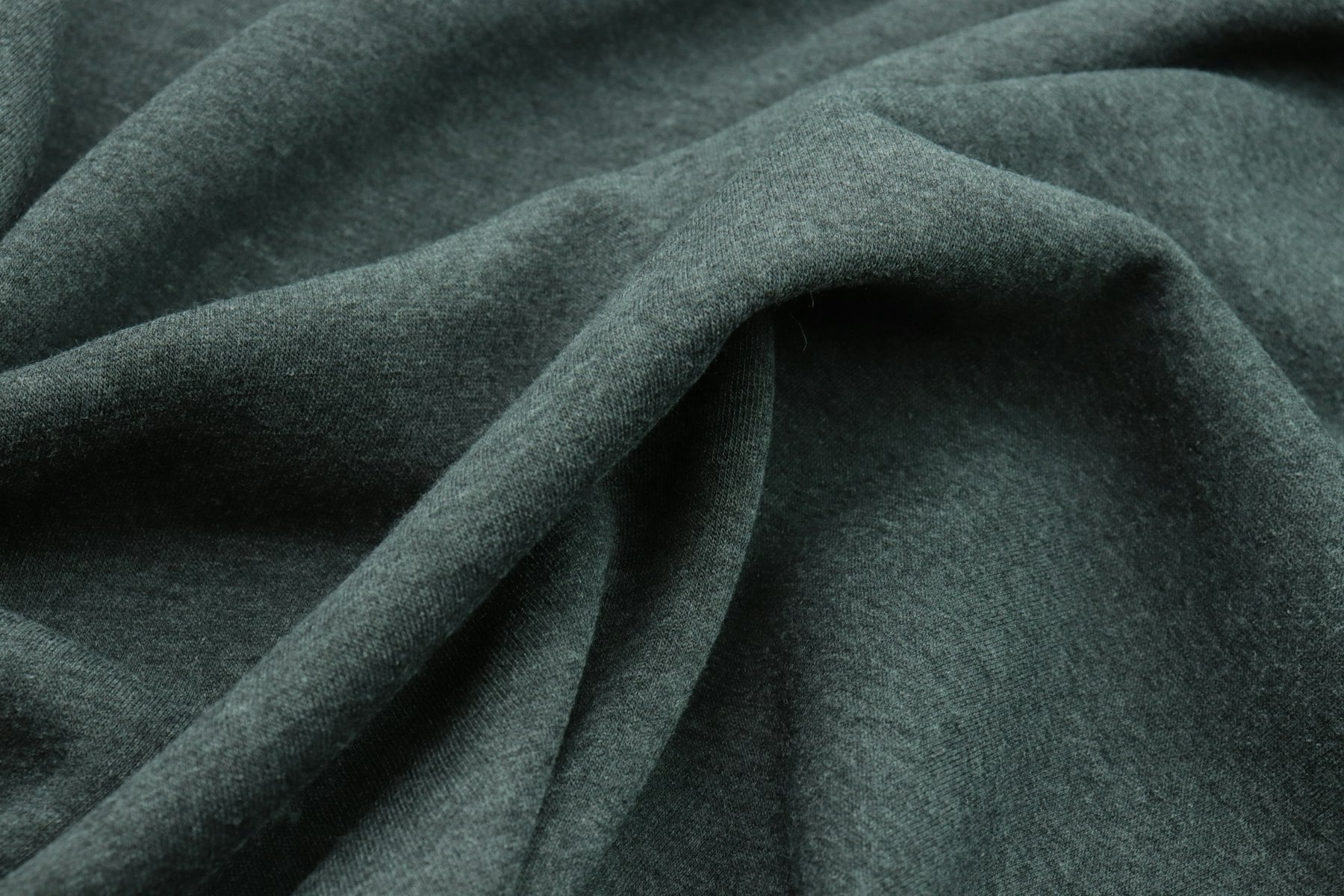
At 620 grams the cloth is heavy enough to hold a clean line from shoulder to hem but not so stiff that it stands away from the body. We chose the traditional deep green, which the mill dyes in the fibre before spinning, alongside an ink that reads as almost black in winter light. Both develop the faint lustre of good loden after a season of brushing.
Caring for loden
Loden asks for very little. Never put it in a washing machine, and send it to a dry cleaner rarely, if at all. Most of what a loden coat needs is a stiff clothes brush and a wooden hanger.
- Brush downwards, with the nap, after each wear to lift dust and realign the fibres.
- If it gets wet, hang it on a broad hanger away from radiators and let it dry slowly overnight.
- Spot clean marks with cold water and a cloth; the lanolin resists most stains.
- Store it in breathable cotton, not plastic, with cedar against moths.
Seven centuries in, loden is still the most quietly intelligent cloth we know. Shop the story in women’s coats and jackets, or visit any of our boutiques and feel the weight for yourself.