Meet the makers: our Tyrolean mill
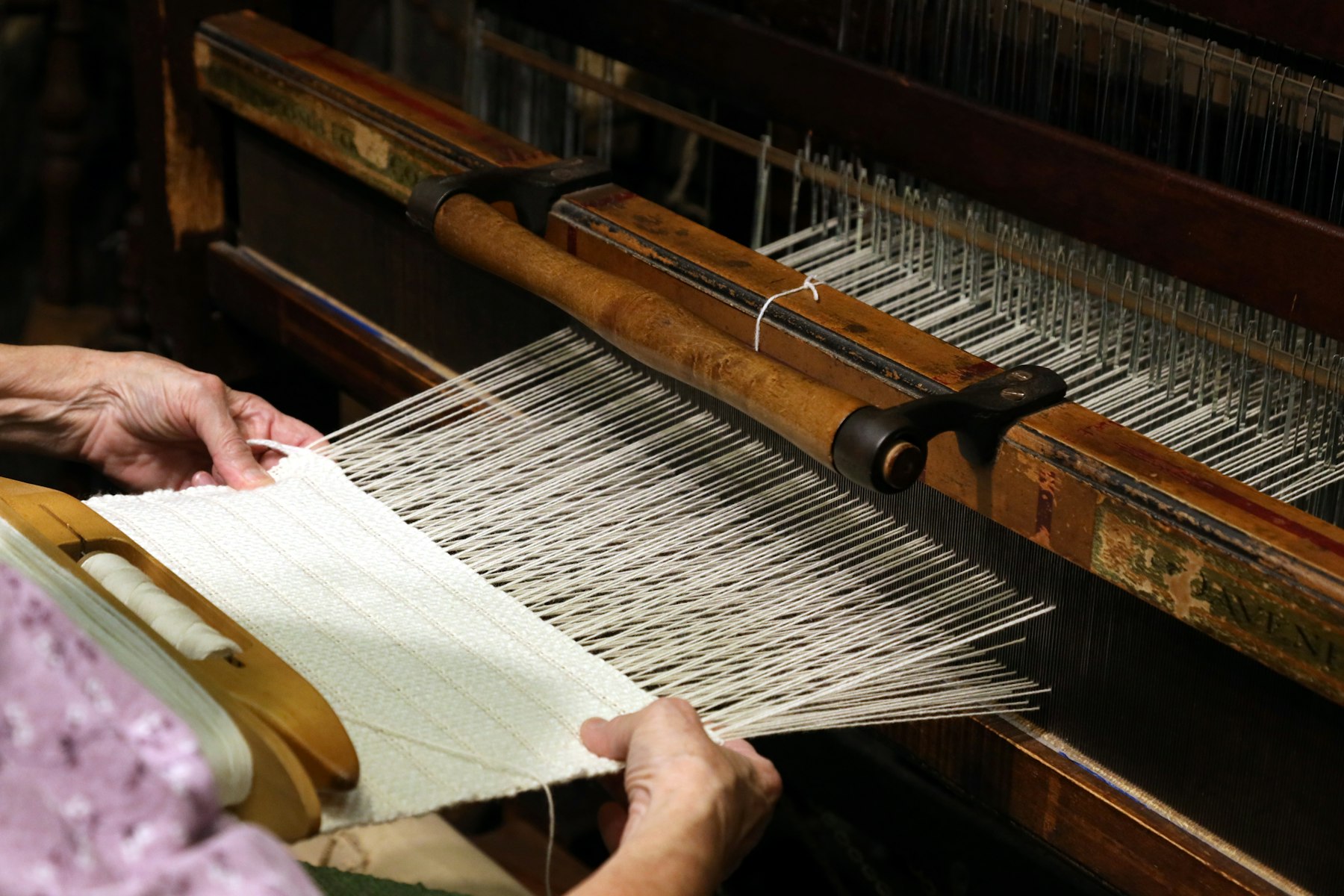
The mill that weaves our loden has been in the same family since 1896. Four generations later, the looms run a little faster, and the cloth is the same.
It sits in a narrow side valley of the Inn, west of Innsbruck, where a mountain stream once turned the waterwheel that drove the fulling stocks. The wheel is long gone, replaced by a small hydroelectric turbine on the same stream, but the stocks still pound away in the lower hall. You hear them from the road before you see the building.
The family
The mill was founded by Josef Raffl, a weaver who had worked in the textile towns of Vorarlberg and came home to make cloth for the farmers and foresters of his own valley. His son added a dye house, his granddaughter steered the business through the lean years after the war, and today it is run by his great-grandson, Lukas Raffl, with his sister Anna overseeing the weaving floor.
There are thirty-one people on the payroll. Several have worked there for more than twenty years, and two of the loom tuners learned the job from their fathers on the same machines. When we visit, lunch is at a long table in the old weaving shed, and conversation tends to come back to the weather, the price of wool and the cloth.
We are not a museum. We buy new looms when they make better cloth. But fulling has not improved in a hundred years, so we have not changed it.
— Lukas Raffl, managing director of the mill
The process
Woven loosely, fulled for forty minutes in hot water, then raised with thistle-like brushes. Each of those steps takes skill to get right.
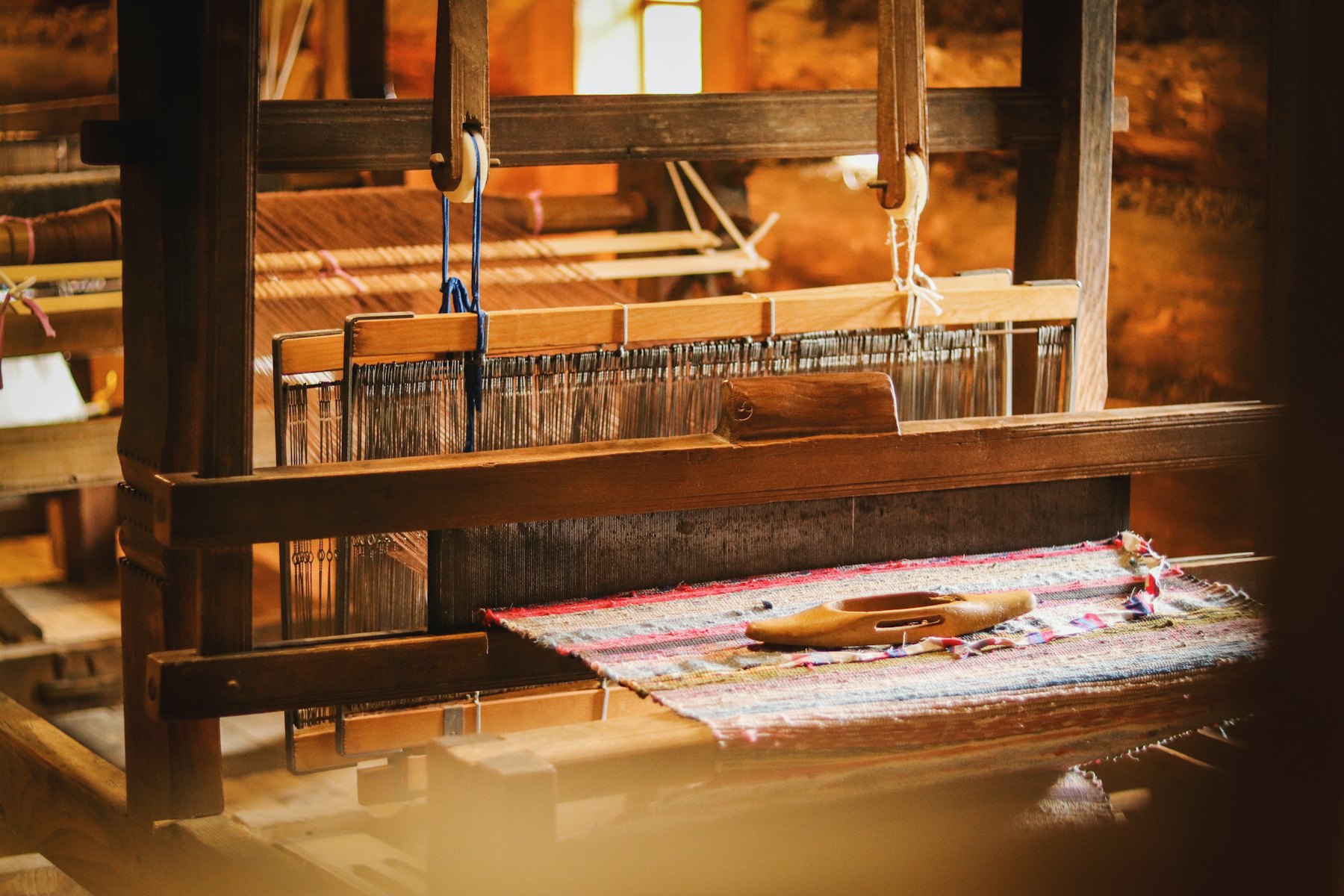
Weaving comes first, on modern rapier looms set with an unusually open sett, so the raw cloth looks almost like a coarse blanket. Then the fulling: lengths of cloth go into the stocks with hot, soapy water, where wooden hammers knead and beat them for forty minutes. The fibres felt together and the cloth shrinks by up to a third, losing its visible weave entirely.
Finally comes raising. The damp, felted cloth is drawn over rollers clad in brushes that mimic teasel heads, the thistle-like seed pods that were once used for exactly this job. They lift the surface fibres, then lay them flat in one direction. The finished cloth is checked by hand, metre by metre, over a lit inspection table, before it is rolled and sent to our makers.
Why fulling time matters
Forty minutes is not arbitrary. Too little, and the felt is open and the cloth will not shed water; too much, and it becomes stiff and boardy, with no drape at all. The time changes slightly with the season’s wool, which is why the fulling master, Sepp Haider, still tests a swatch from every batch by hand before the main lengths go in.
He measures the swatch before and after, rubs it between his palms, and pours a cup of water onto it to watch how it beads. If the shrinkage is off by more than a couple of centimetres per metre, the temperature or the soap is adjusted for the whole batch. It is a test no instrument has yet improved on.
Our finished loden comes out at 620 g/m². That weight is the result of dozens of trials in our first year together, balancing a cloth substantial enough to hold the line of a coat with one light enough to wear on a city pavement rather than a mountainside.
The relationship
We have bought from them every season since our first coat in 2014. It was a small order, and the Raffls took it because they liked the drawings. Since then the mill has woven every length of loden we have used, and their cloth is the foundation of both the Loden Wool Car Coat and the Loden Wool Overcoat.
We agree volumes a year ahead, so the mill can plan its wool purchases and keep its people working through the quiet months. In return, they hold a small reserve of our cloth so that any coat brought to a repair desk can be patched with loden from the same mill. It is one of fourteen family mills we work with, and the longest-standing.
This October the valley became a location too: the first week of the Orchard Collection shoot was filmed within earshot of the fulling stocks.
Visiting
The mill is a working building and does not run public tours, but every member of our design and materials team spends at least a day there, and we bring boutique staff when we can. The best way to understand it is in the hand. Shop the story in men’s coats and jackets.