Why we don't have a sale
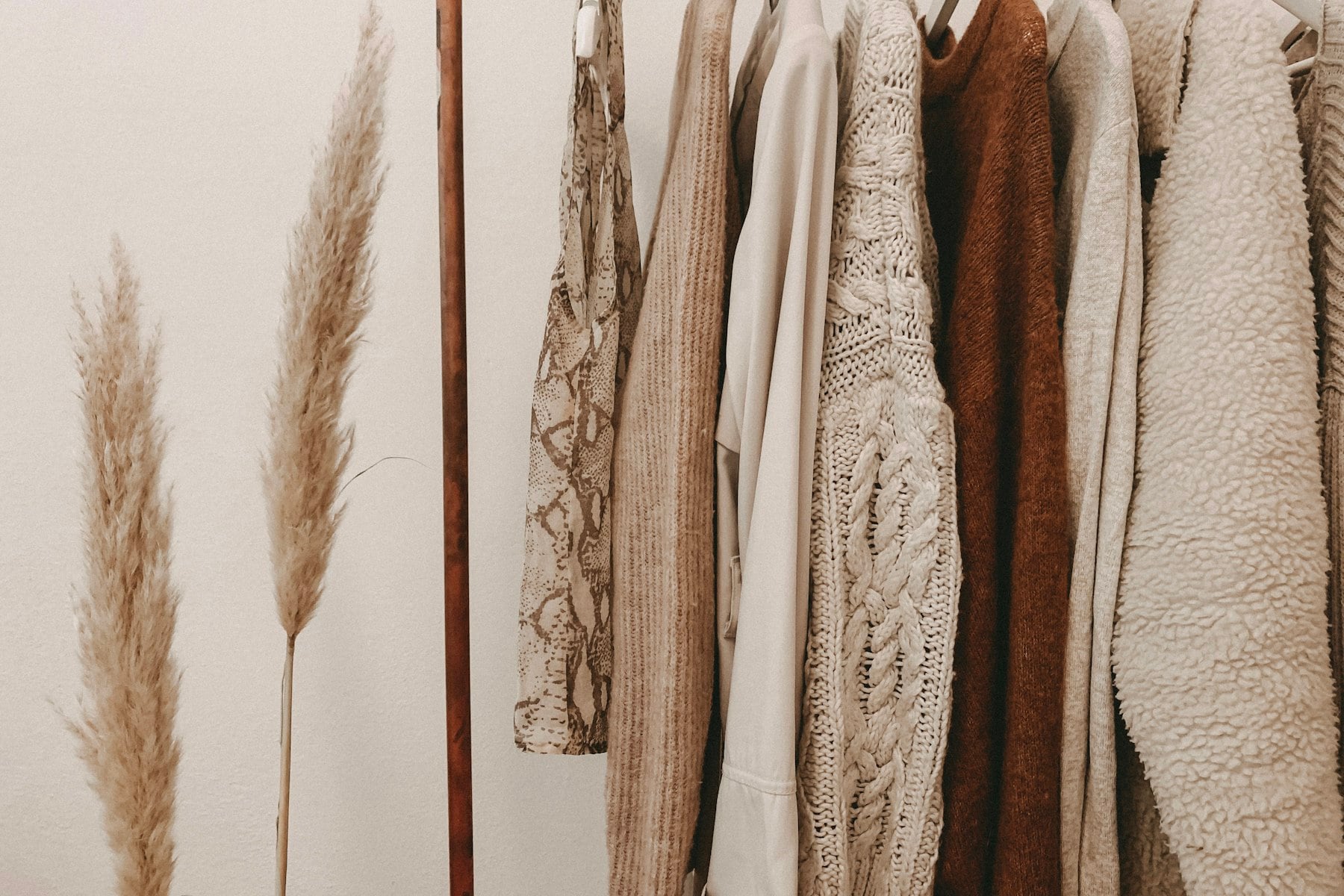
We make each seasonal piece once, in quantities we expect to sell. What remains goes to the Archive at a revised price. There are no percentages, no countdown timers and no red banners in our windows in January.
People ask about this more than almost anything else we do, usually in a tone of mild suspicion. So here is the reasoning behind it, and what actually happens to the clothes we make.
Why not a sale
Sales train people to wait. If a coat is going to be thirty per cent cheaper in six weeks, the sensible customer waits six weeks, and the honest price of the coat becomes the sale price. Brands respond by inflating the original price to protect the margin they actually need, and the whole thing turns into a game that nobody enjoys and everyone understands.
We would rather price fairly from the start. Our prices are built up from the cost of the cloth, the cost of making, a fair margin for the fourteen family mills that weave and knit for us, and what it costs to run five boutiques with repair desks in them. There is no cushion added for a future markdown, because there will not be one.
Making less, on purpose
The real cause of most sales is overproduction. A brand orders more than it can sell, because larger runs are cheaper per unit, and then has to clear the surplus. We plan the other way round. Each piece is made once per season, and the quantity is set by the design team and our merchandisers using what sold last year, what members reserved and what our boutique teams tell us people asked for.
We get it wrong sometimes, in both directions. When a piece sells out, we do not reorder it that season; we note it and make a few more next year. When a piece sells slowly, we live with it. Last autumn we sold through ninety-two per cent of what we made at full price, which is a number we are proud of but not satisfied with.
When you only make a thing once, you think much harder about the cloth. You choose a wool you would be happy to see on the rail for two years, because it might be.
— Jonah Whitfield, Materials Lead
The Archive
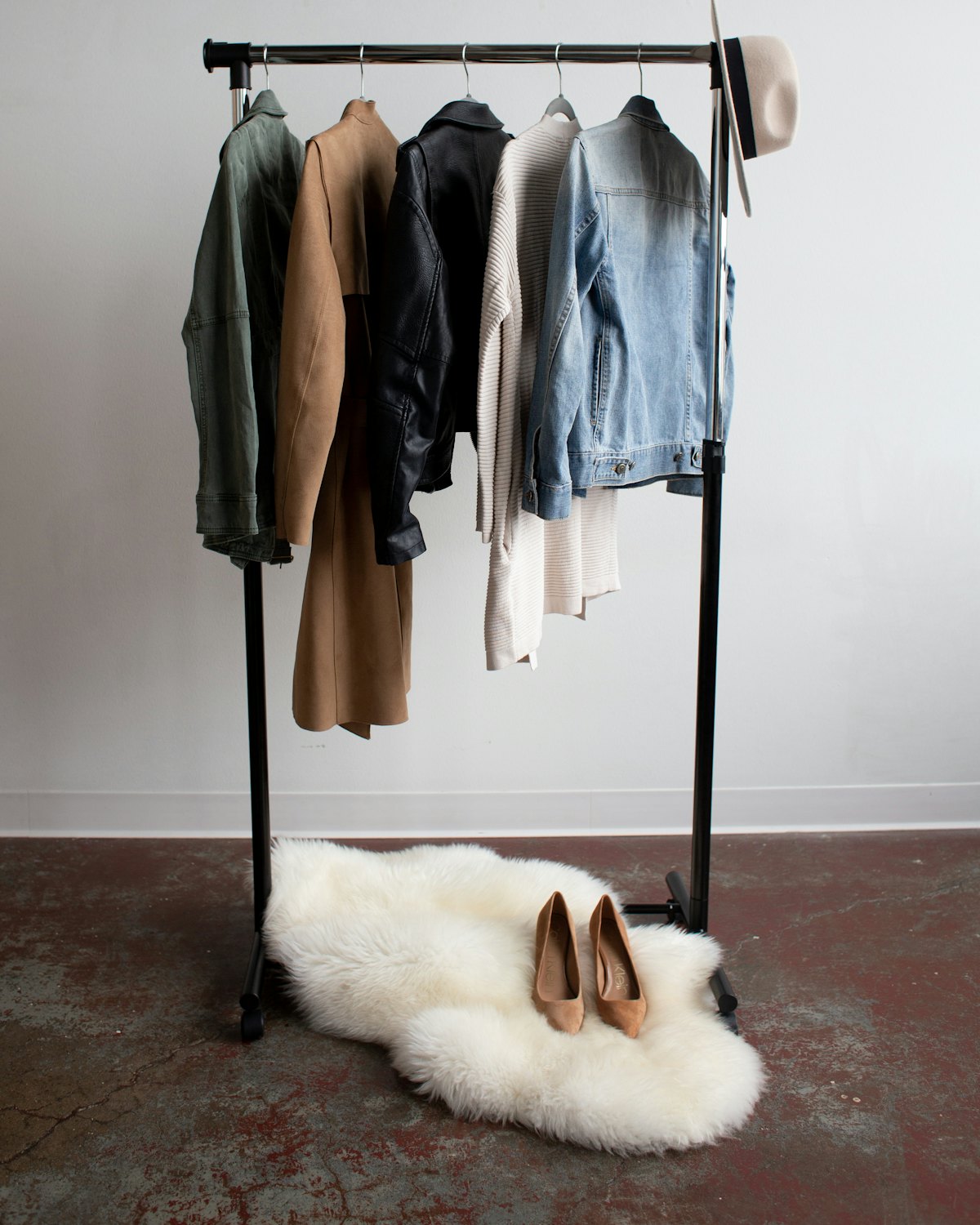
What remains after a season goes to the Archive, at a revised price. The Archive is not a sale with a different name. It is a small, permanent section online and a single rail in each boutique, where pieces from previous seasons sit at a lower price that reflects the fact they are no longer new. Prices there do not drop week by week, and there is no clearance event.
The Archive tends to be where you find the slightly braver pieces: an unusual colourway, a silhouette that was a season early, a size run that ended at the extremes. We have regular customers who check it every month, and we like that. A coat that finds the right person a year late has still found the right person.
What happens to the rest
Anything unsold after the Archive is donated or recycled into new yarn. Nothing is destroyed. Wearable pieces go to charities that provide work clothes and winter coats to people who need them; the list changes city by city, and each boutique chooses its own partner.
Pieces that cannot be worn, such as samples with cut-open seams, fabric offcuts and the occasional damaged return, go to a carded-wool recycler in Prato, a town that has been turning old wool back into new cloth for well over a century. There the garments are sorted by colour, shredded back to fibre and spun into a recycled yarn. Some of that yarn comes back to us as the blankets we use on shoot days and in our fitting rooms.
Our rules, in short
- Price every piece fairly from the first day.
- Make each seasonal piece once, in quantities we expect to sell.
- Move what remains to the Archive at a revised price that does not change.
- Donate what is wearable, recycle what is not, and destroy nothing.
What it means for you
It means the price you see is the price, today and in six weeks. It means a Merino Rib Crewneck bought in September is not quietly worth less in January. And it means a Double-Faced Wrap Coat bought this year is still ours to look after, with free repairs for life, long after any sale would have forgotten it.
If you are curious, look at the Archive, or start with our accessories, which are made the same way.